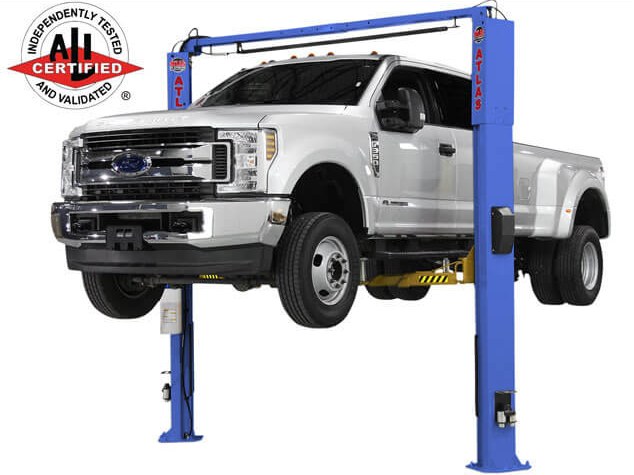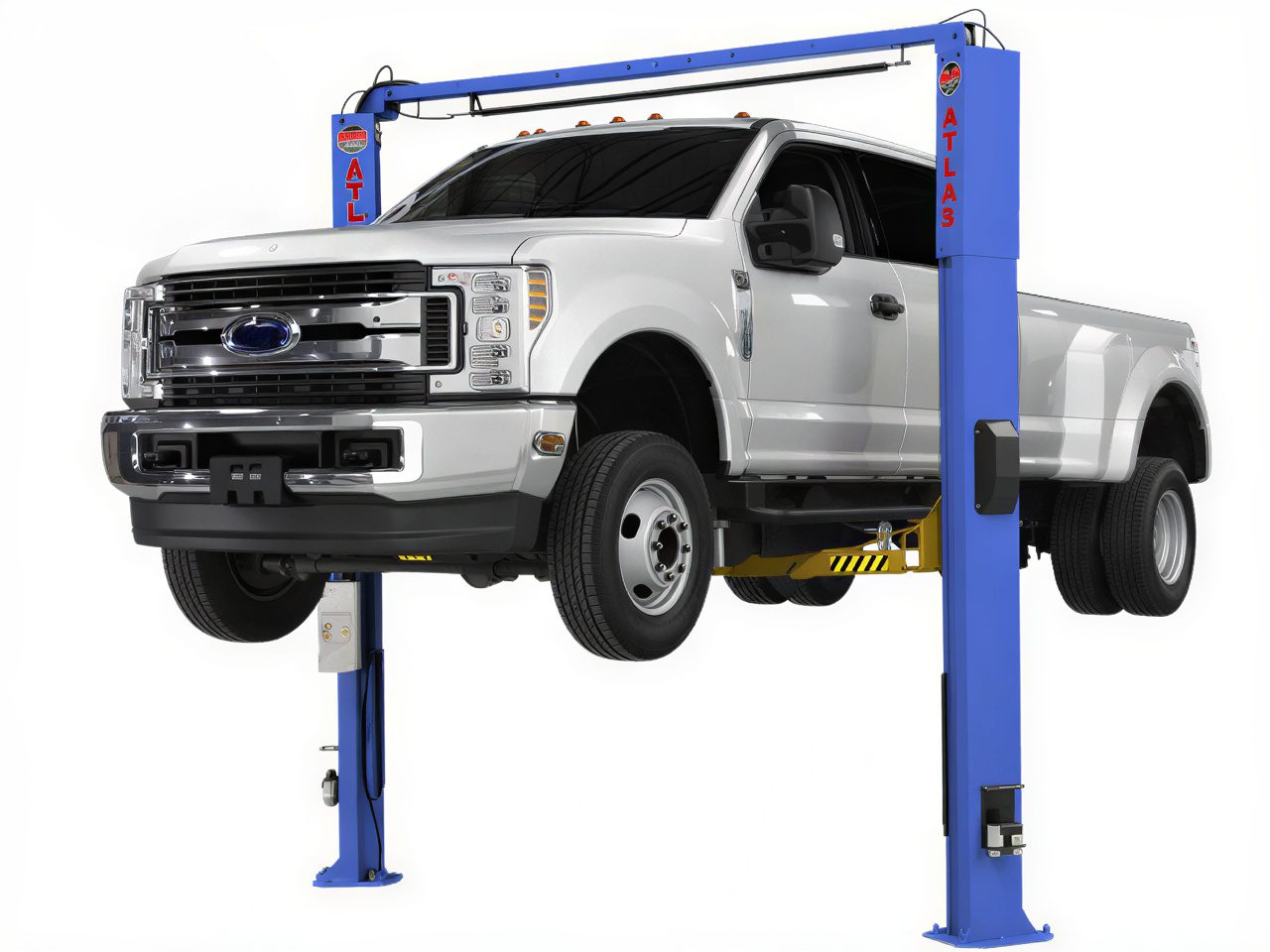
In a busy automotive repair shop, vehicle lifts are the backbone of daily operations. From quick oil changes to complex drivetrain repairs, technicians rely on lifts every single day — often dozens of times per shift. Yet despite being one of the most critical pieces of shop equipment, vehicle lifts are also one of the most commonly overlooked when it comes to preventative maintenance and safety inspections.
Over time, constant use, heavy loads, and environmental factors can quietly compromise a lift's performance and structural integrity. Without regular inspections, small issues can turn into serious safety hazards. That's why routine vehicle lift inspections aren't just a best practice — they're essential for protecting technicians, vehicles, and your business.
At SVI Automotive Equipment, we provide certified vehicle lift inspection services throughout Victoria BC and across Vancouver Island, helping automotive repair shops, dealerships, and fleet facilities stay safe, compliant, and fully operational.
The Hidden Risks of Vehicle Lifts in Automotive Shops
Vehicle lifts are designed to support thousands of pounds overhead while technicians work directly underneath them. When everything is functioning correctly, lifts are extremely safe. But when components begin to wear — or go unchecked — the risks increase significantly.
Common lift-related failures often start small:
- Slightly frayed cables
- Worn safety latches
- Uneven arm movement
- Slow or inconsistent lifting
- Minor hydraulic fluid leaks
Left unaddressed, these issues can lead to lift instability, sudden drops, or complete mechanical failure. The consequences can be severe: technician injuries, vehicle damage, shop shutdowns, insurance claims, and legal liability. Regular vehicle lift inspections help catch these warning signs early, before they become costly or dangerous problems.
Why Lift Inspections Matter for Compliance in British Columbia
In British Columbia, automotive shops are required to maintain safe working environments under WorkSafeBC regulations and applicable CSA standards. Vehicle lifts fall squarely under regulated lifting equipment, meaning they must be kept in proper working condition and inspected by qualified professionals.
Failing to comply can result in:
- WorkSafeBC violations
- Fines or stop-work orders
- Increased liability in the event of an accident
- Voided equipment warranties
Certified lift inspections provide documented proof that your equipment meets safety requirements — something insurance providers, auditors, and regulators may request at any time. SVI Automotive ensures every inspection is performed to CSA and WorkSafeBC-compliant standards, complete with detailed reporting for your records.
What Our Vehicle Lift Inspections Include
Structural Integrity
- Columns, posts, platforms, welds, and anchor points
- Checking for cracks, corrosion, metal fatigue, or distortion
Hydraulic System
- Rams, hoses, seals, fittings, and fluid levels
- Identifying leaks, pressure issues, or worn components
Mechanical Components
- Cables, pulleys, sheaves, and equalization systems
- Verifying proper tension and wear limits
Electrical Systems
- Control panels, switches, limit sensors, and wiring
- Ensuring reliable and safe operation
Safety Locks & Locking Mechanisms
- Confirming locks engage evenly and securely
- Testing release systems and synchronization
Wear Points & Moving Parts
- Arm restraints, bushings, sliders, and lubrication points
- Evaluating overall lift balance and smooth movement
Each inspection concludes with a detailed written report, outlining:
- Current condition of the lift
- Any deficiencies found
- Recommended maintenance or repairs
- Urgency levels to help prioritize next steps
In many cases, our mobile service team can perform required repairs on-site, minimizing downtime.
How Often Should Vehicle Lifts Be Inspected?
Inspection frequency depends on how heavily your lifts are used, but general best practices include:
- Daily visual checks by operators
- Professional inspections every 12–24 months
- More frequent inspections for high-volume or commercial shops
Additional inspections are strongly recommended:
- After a new lift installation
- Before resale or relocation
- Following any major repair or modification
- If unusual noises, imbalance, or performance issues occur
Staying proactive with inspections helps extend the lifespan of your lift and prevents unexpected breakdowns.
The Real Cost of Skipping Lift Inspections
Neglecting vehicle lift inspections can lead to serious consequences, including:
- Technician injury or fatality
- Vehicle damage and costly insurance claims
- Unplanned shop downtime and lost revenue
- WorkSafeBC penalties or forced shutdowns
- Voided manufacturer warranties
Compared to these risks, the cost of a professional lift inspection is minimal — and often required to maintain insurance coverage and equipment warranties.
Vehicle Lift Inspection Services Across Vancouver Island
SVI Automotive proudly provides mobile vehicle lift inspection and repair services throughout Vancouver Island, including:
- Victoria
- Langford
- Nanaimo
- Duncan
- Sidney
- Courtenay
- Campbell River
We inspect and service all major lift brands, including Rotary, Challenger, Atlas, Benwil, Forward Lift, and more. Whether you operate a single-bay independent shop or a large dealership service department, our team ensures your equipment is safe, compliant, and ready for daily use. Looking to add a new lift? Browse our Atlas vehicle lifts.
Why Automotive Shops Choose SVI Automotive
- CSA & WorkSafeBC-compliant inspection procedures
- Certified technicians with extensive lift experience
- Fast scheduling with minimal disruption
- Detailed documentation for audits and insurance
- Preventative maintenance plans to maximize lift lifespan